Storage During Building Work: A Guide for Homeowners near Cambridge
A new kitchen, a loft conversion or a rear extension is exciting, but living around building work is not. Furniture gets covered in plaster dust, rooms fill up with boxes, and the builders lose time working around your belongings. Many households near Cambridge and Newmarket solve this by moving furniture and boxes into a storage unit for the length of the project. This guide explains what to move out, when to do it, how long to book for and which unit size suits different kinds of building work.
Why Move Your Belongings Out During Building Work?
Dust gets everywhere. Cutting, sanding and plastering produce fine dust that settles in every room, not just the one being worked on. It works its way into upholstery, mattresses, electronics and the backs of cupboards, and dust sheets only keep out so much.
Furniture gets damaged. Ladders, tools and materials are carried through the house every day. Even careful trades can knock a table or scuff a sofa that is pushed into a corridor.
Builders work faster in clear rooms. Every hour spent moving furniture out of the way is an hour you pay for. Clear rooms let the work start on time and make it easier for trades to protect floors and walls.
You get your living space back. If you are living at home during the work, a house without stacked boxes in the hallway and bedrooms is far easier to live in for weeks or months.
What to Move Out, Project by Project
Kitchen refit. Everything in the kitchen cupboards that you won't need while the kitchen is out of action, plus the dining table and chairs if the dining area is part of the work. Keep a small box of everyday essentials at home, such as a kettle, mugs and a few plates, for the makeshift kitchen.
Extension or knock-through. The furniture from the rooms being opened up, and often the rooms next to them too, as these become walkways for the builders. Sofas, sideboards, bookcases, rugs and pictures are the usual items.
Loft conversion. Everything currently in the loft, which is often more than people expect, along with the furniture from the bedroom or landing where the new staircase goes in.
Rewiring, replastering or new flooring. These jobs usually move room by room through the whole house, so it helps to clear several rooms at once rather than shuffling furniture from one room to the next.
Whole-house renovation. If you are moving out while the work is done, most of the contents of the house will need a home. This is where a larger unit makes sense.
It is also worth deciding what you don't want to keep. Building work is a good moment to sell, donate or recycle furniture that won't suit the new rooms, so you store less and pay for less space.
When to Move Things Into Storage
Aim to have rooms cleared a few days before the builders arrive, not on the morning they start. This gives you time to deal with anything unexpected, such as a wardrobe that needs taking apart or a cupboard nobody has opened for years. Pack and label boxes room by room so it is just as easy to put things back when the work is finished. Our guide on how to pack a storage unit covers materials, labelling and loading in more detail.
How Long Should You Book Storage For?
Building projects often take longer than planned. Materials arrive late, the weather holds up outside work, and decorating and flooring follow on after the main build. It makes sense to plan for some extra time rather than assume the work will finish on the day it is scheduled to.
This is where monthly storage helps. At CamStorage, the minimum period is one month and you give one month's notice when you no longer need the unit. If the project overruns, you simply keep the unit for longer; if it finishes early, you aren't tied into months you don't need.
Which Unit Size Do You Need?
Our five unit sizes, with prices including VAT, and the kind of project each one tends to suit:
- Extra Small, 2m × 2m (about 42 sq ft), £69 a month: boxes from a kitchen refit or a cleared loft, plus a few small pieces of furniture.
- Small, 2m × 3m (about 65 sq ft), £81 a month: the contents of one room, such as a dining table and chairs with the kitchen boxes.
- Medium, 2.4m × 3m (about 77 sq ft), £96 a month: the furniture and boxes from a couple of rooms. At 2.4m high, tall items such as wardrobes and fridge freezers can usually stand upright.
- Large, 2m × 4m (about 86 sq ft), £105 a month: more floor space for long or bulky items that can't be stacked, such as sofas and dressers, when a ground floor is being extended or knocked through.
- Extra Large, 2.4m × 6m (about 155 sq ft), £150 a month: the furniture from a two or three-bedroom house during a whole-house renovation.
If you are unsure, our storage size calculator will help you estimate the space you need, or describe the project to us and we will suggest the right fit. If the scope of the work changes, you can move to a bigger or smaller unit, subject to availability.
Storing New Kitchens, Bathrooms and Materials
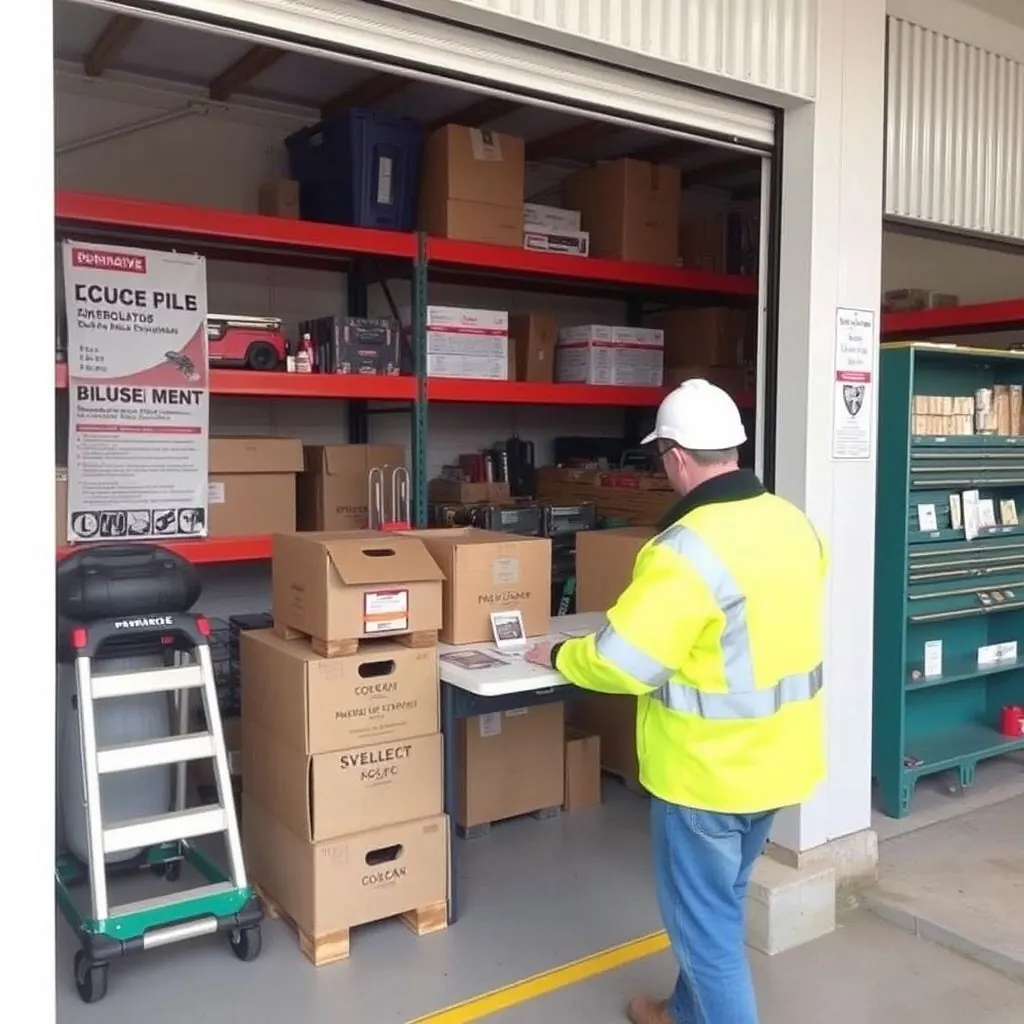
Storage is not only for the things coming out of the house. New kitchen units, bathroom suites, flooring and appliances are often delivered weeks before they are fitted, and boxed kitchen cabinets in a garage or driveway are at risk of damp and damage. A storage unit gives them a dry, secure place until the fitters are ready.
Vans and lorries can pull up beside our units, and our forklift is available by arrangement for palletised or heavy deliveries. Speak to us before the delivery date so we can plan it with you.
Protecting Your Belongings While They're Stored
- Clean and dry everything first. Wipe down furniture and make sure nothing goes into storage damp, especially fridges, freezers and washing machines, which should be defrosted, drained and left with their doors slightly open.
- Use breathable covers. Old sheets or furniture covers keep dust off while letting air move. Avoid sealing wood or upholstery tightly in plastic for months.
- Take large pieces apart. Dismantled beds and tables take up less space and are less likely to be damaged. Keep screws and fittings in labelled bags taped to each piece.
- Keep paint and fuel out of the unit. Leftover paint, solvents, fuel and gas bottles from the building work can't go into storage, as we can't accept hazardous or flammable items.
- Insure the contents. We insure the structure of each unit, and we strongly recommend insuring your belongings separately. We work with Insurastore, a specialist self-storage insurer; see our FAQ for details.
For more on looking after sofas, beds and wardrobes, read our guide to furniture storage near Cambridge and Newmarket.
What Does It Cost?
Storage during building work costs from £69 to £150 a month including VAT, depending on the unit size. There is a refundable £50 deposit for the lock on outdoor units, and each key fob costs £20. Payment is by monthly Direct Debit. As an example, keeping a dining room and kitchen's worth of belongings in a Small unit through a three-month kitchen refit would cost £243 in storage, plus the deposit and key fob. Current prices are always on our prices page.
Storage for Building Work near Cambridge and Newmarket
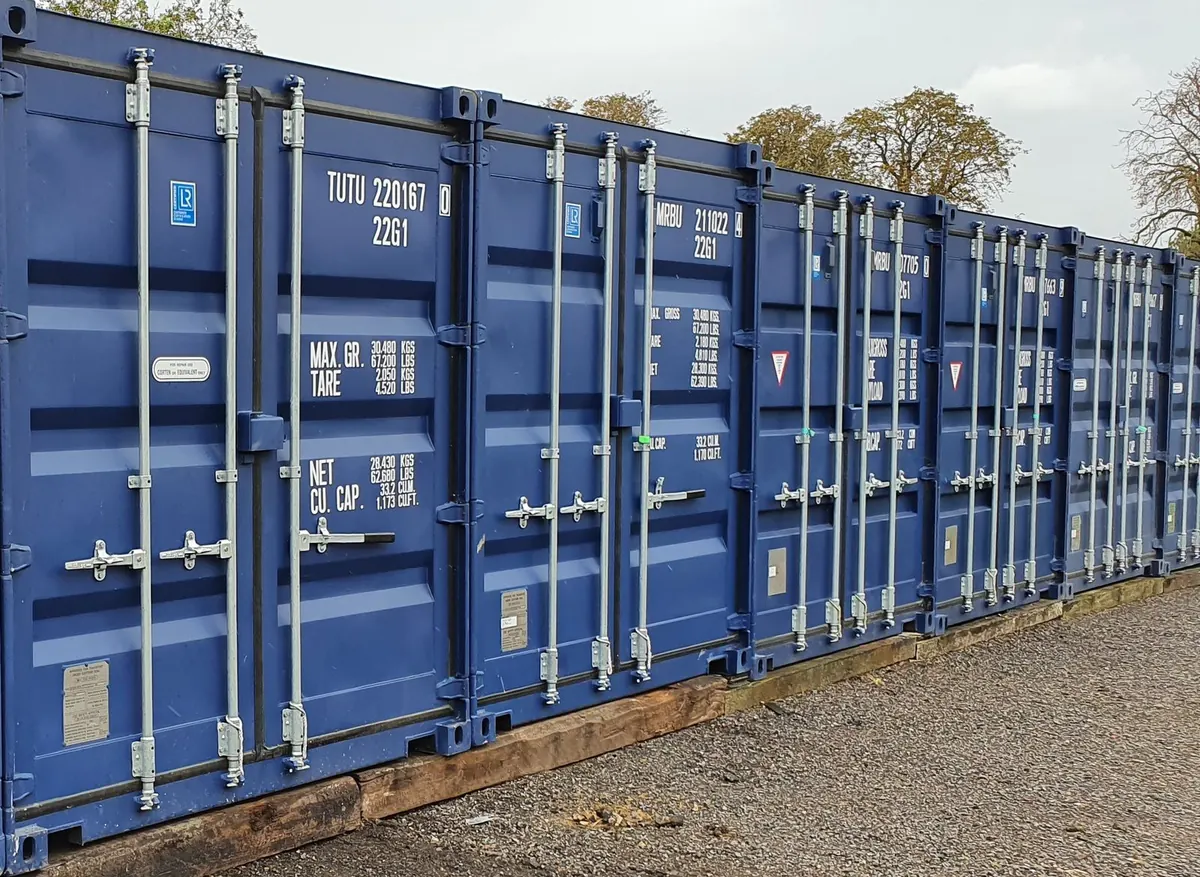
CamStorage is between Cambridge and Newmarket, just off the A14 at Junction 35, so it is easy to reach from Cambridge, Newmarket and the surrounding villages. Every unit has drive-up access, so you can park beside your unit and unload straight from the car or van. The site is protected by 24-hour CCTV and an automated gate, and your own keyfob lets you come and go at times that suit you, which is useful when you need to collect something midway through the project.
Find out more about our personal and household storage, or read our Cambridge house move checklist if the building work means moving out for a while. To arrange a viewing on a weekday or Saturday morning, call 01223 901 021, or book a unit online.