How to Pack a Storage Unit: Packing and Loading Tips
A well-packed storage unit makes every visit easier. Your belongings stay in better condition, you can find what you need without emptying half the unit, and you often get far more into the space than you expected, which can mean renting a smaller, cheaper unit. Whether you're storing the contents of a house during a move around Cambridge or Newmarket, or simply clearing a spare room, a little planning before loading day goes a long way.
Before You Start: Plan What's Going In
Make a list. Go room by room and write down the larger items you plan to store, along with a rough count of boxes. This helps you choose the right unit size and gives you a starting inventory for later.
Declutter first. Storage space costs money every month, so it's worth being honest about what you'll actually want back. Donate, sell or recycle anything you won't use again before it goes into the unit.
Choose the right size. Measure your largest pieces of furniture and compare them with the unit dimensions. At CamStorage, units range from 65 to 155 sq ft with ceiling heights of 2m or 2.4m, so tall items such as wardrobes and fridge freezers can stand upright. Our size guide shows each unit to scale with typical contents.
Packing Materials Worth Having
Sturdy boxes in two or three sizes. Uniform boxes stack far more safely than a mix of shapes. Use small boxes for heavy items such as books and larger boxes for lighter things like bedding and cushions.
Plastic crates for long-term storage. Lidded crates are stronger than cardboard and won't soften or collapse if they're stacked for months.
Breathable covers. Old sheets, blankets or furniture covers protect against dust while letting air circulate. Avoid wrapping furniture tightly in plastic for long periods, as it can trap moisture.
Tape, a marker pen and labels. Good-quality packing tape and clear labels save a great deal of time later.
How to Prepare Your Belongings
Clean and dry everything. Dirt, crumbs and moisture are the main causes of mould, smells and corrosion in storage. Wipe down furniture, defrost and dry fridges and freezers thoroughly, and leave appliance doors slightly open once they're in the unit.
Dismantle large furniture. Taking the legs off tables and breaking down bed frames saves a surprising amount of space and reduces the risk of damage. Put screws and fittings in a labelled bag and tape it to the item it belongs to.
Wrap fragile items individually. Use packing paper or bubble wrap for glassware and crockery, stand plates on their edges rather than stacking them flat, and fill any gaps in the box so nothing moves around.
Store mirrors and pictures upright. Protect corners with cardboard and stand framed items on their edges, never flat with weight on top.
Keep heavy boxes manageable. If you can't comfortably lift a box, it's too heavy. Spread heavy items across several smaller boxes.
Labelling and Keeping an Inventory
Label every box on the top and at least one side, with the room it came from and a short description of the contents. Numbering boxes and keeping a simple list on your phone, matching each number to its contents, means you can find a single item months later without searching through everything. Mark boxes containing fragile items clearly so they always end up on top.
Loading the Unit: Where Everything Should Go
Heaviest items at the back and bottom. Start with large furniture and appliances against the back wall, then build up with heavy boxes underneath and lighter ones on top.
Things you'll need at the front. Seasonal items, paperwork or anything you expect to collect soon should go near the door.
Leave a walkway. A narrow path down the middle or along one side lets you reach boxes at the back without unloading the whole unit. It also helps air circulate.
Use the height. Stack boxes securely to make the most of the space, and stand sofas on their ends where it's safe to do so. Keep items slightly away from the walls so air can move around them.
Raise items off the floor. A few pallets or simple shelving keep boxes clear of the floor and make it easier to see what's where. Freestanding shelving is particularly useful for business stock or anything you access regularly.
What Not to Put in Storage
As with any self-storage facility, some items can't be stored. These typically include flammable or hazardous materials such as petrol, gas bottles, paint thinners and fireworks; perishable food; plants and animals; and anything illegal. Drain fuel from lawnmowers and other machinery before storing them, and check your storage agreement for the full list. It's also wise to keep irreplaceable items, such as passports, important documents and sentimental jewellery, at home.
Protecting Your Belongings
We insure the structure of each unit, and we strongly recommend insuring the contents separately. We work with Insurastore, a specialist self-storage insurer, and our FAQ has more details. Keeping your inventory up to date, with a few photos of valuable items, will also help if you ever need to make a claim.
Packing Made Easier at CamStorage
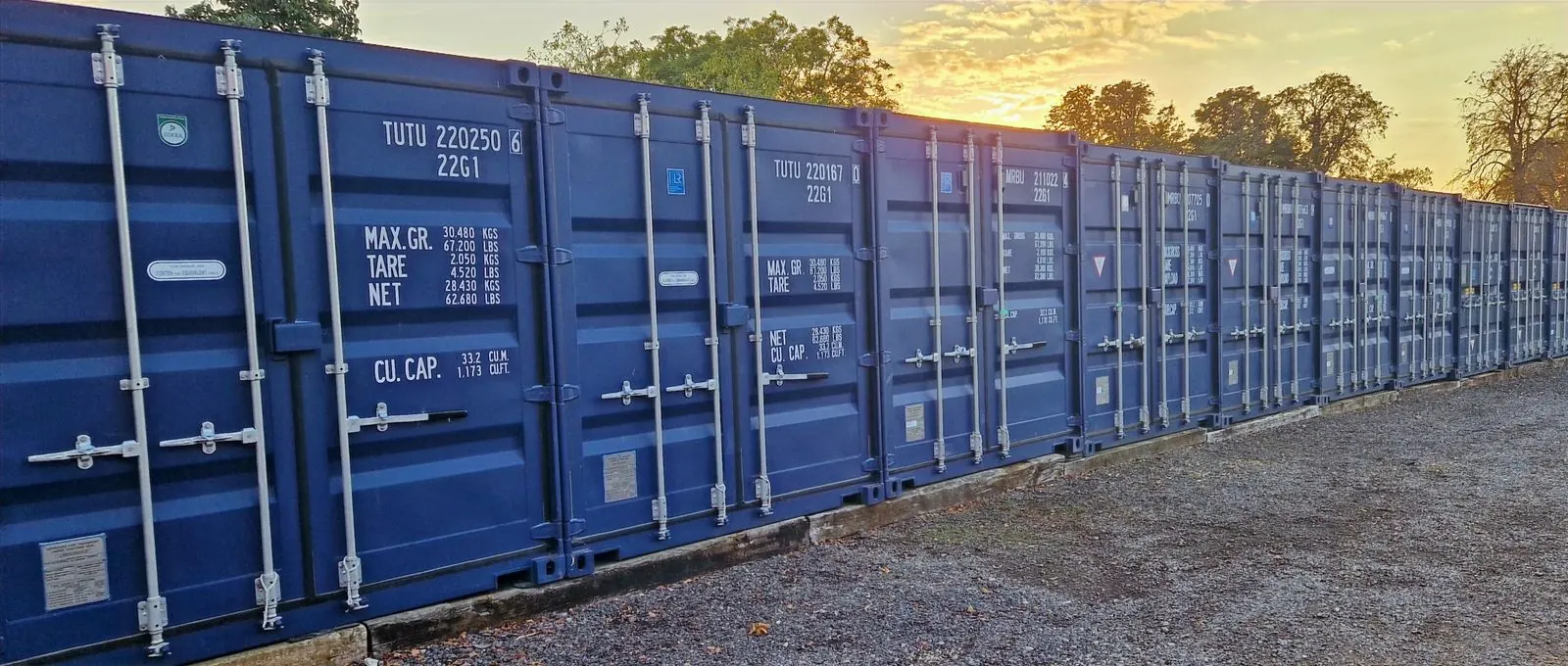
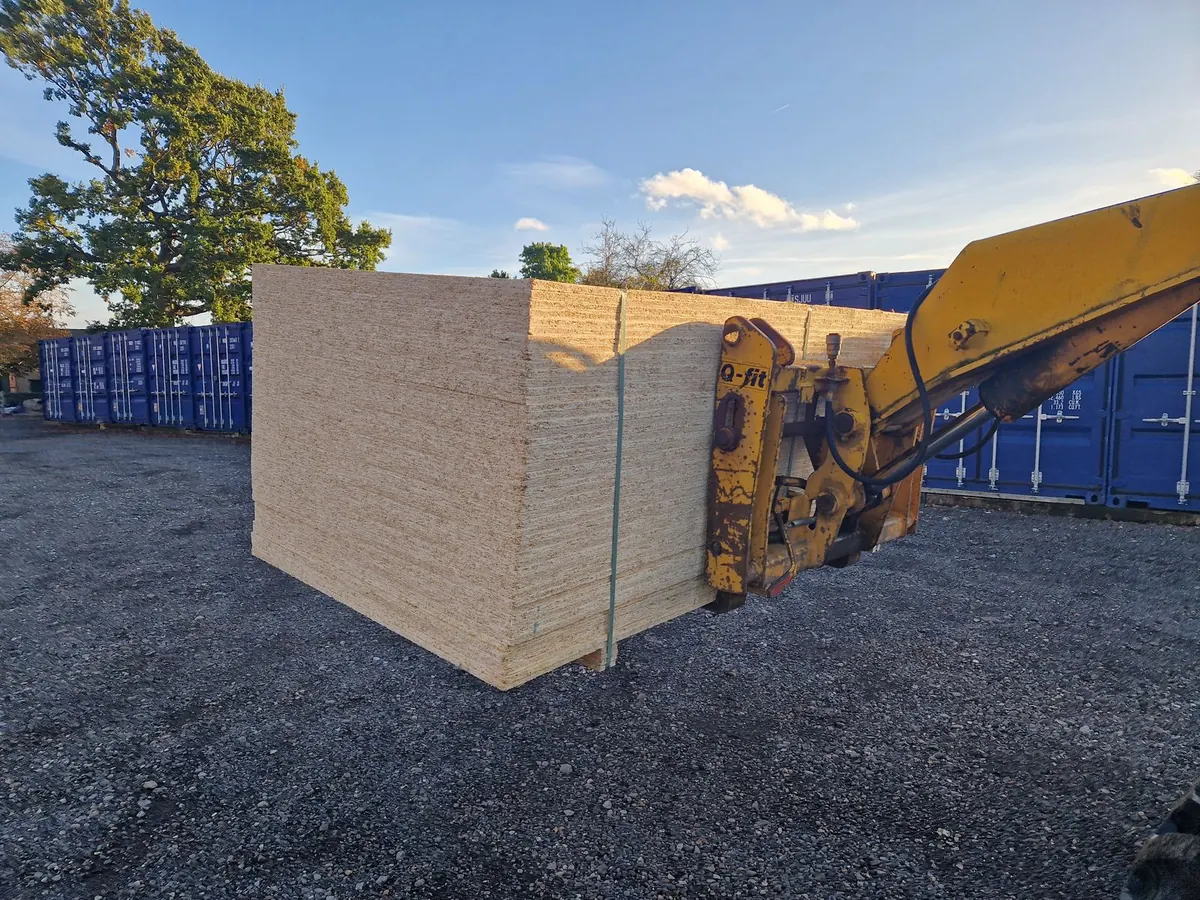
CamStorage is at Bottisham, just off the A14 at Junction 35 between Cambridge and Newmarket. Every unit has drive-up access, so you can park right beside your unit and load straight from the car, van or trailer instead of carrying boxes across a car park. An onsite forklift is available by arrangement for heavier or palletised items. Our steel units are clean, dry and well ventilated, the site is protected by 24-hour CCTV and automated keyfob gate entry, and access is flexible with your personal keyfob. Rolling monthly terms mean you can rent for as long as you need and give notice when you're done.